
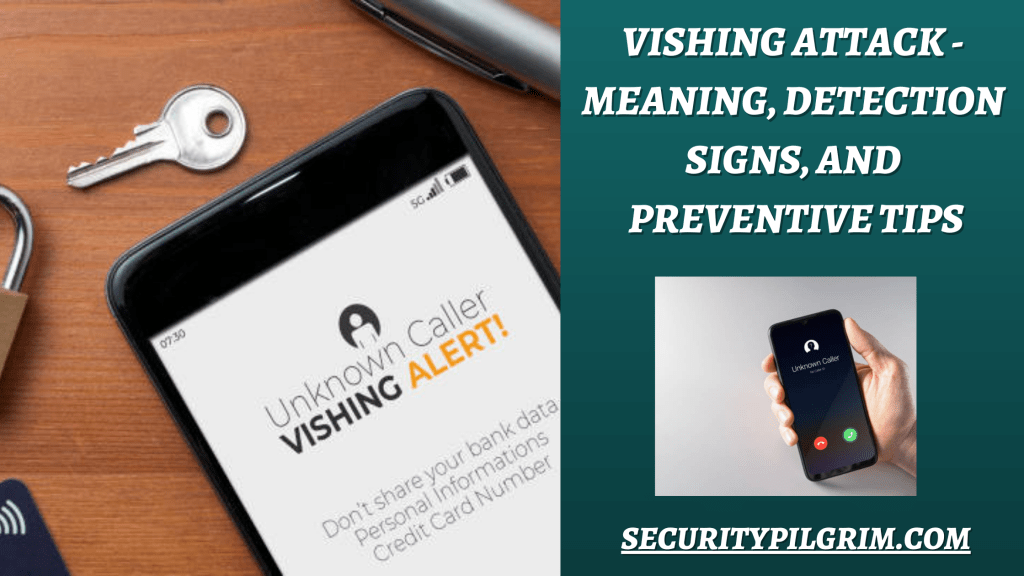
Attackers can easily target the vulnerable link in any cybersecurity chain using social engineering attacks such as phishing. Vishing is one of the many technology-based phishing scams used by attackers. However, there has been a global increase in vishing attacks in recent years. In 2018, approximately 30% of all incoming mobile calls were fraud calls.
Vishing is a mixture of voice and phishing that cybercriminals use to mislead victims into disclosing sensitive personal information. Moreover, because the victim does not know the person on the other side of the phone line, a vishing attack is difficult to detect.
This is why, this blog is curated to help you understand everything you need to know about vishing attacks, what it is and how to avoid a voice phishing attack.
Table of Contents
What is Vishing?
A scammer will use social engineering to get you to disclose confidential and financial information, such as account numbers and login details, during a vishing phone call. The scammer may claim that your account has been hacked, present himself/herself as a representative of your bank or law enforcement, or offer to assist you in installing software. It’s most likely malware.
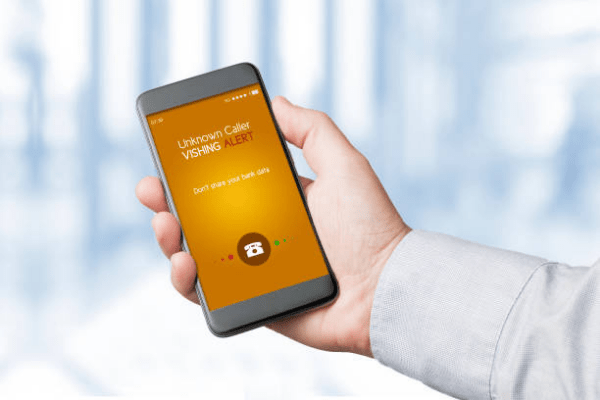
Vishing is a type of phishing, which is any type of text that seems to be from a reliable source but isn’t. The intention is to hack someone’s identity or finances. It’s also becoming easier to contact more individuals. Fraudsters can use voice over internet protocol (VoIP) advanced technologies to place hundreds of calls at once and forge the caller ID to make the call seem to come from a reliable source, like your bank.
How Does Vishing Attack Work?
A voice phishing attack happens when a person or artificial intelligence (AI) calls a potential victim under the pretense of an emergency or sense of urgency to verify your information or identity. During the attack, the hacker may also request additional information from you. Voice phishing attacks are not always a bad thing. It could also be news that you have won gifts, money, trips, and so on.
The primary goal of a vishing attack is to obtain sensitive information such as personally identifiable information (PII), health records, or other sensitive information that can be used to commit identity theft and fraudulent activity. The cybercriminal will want you to tell them the details over the phone as soon as possible before you realize you are being tricked, hence the reason for the emergency.
How to Detect a Vishing Attack?
Some people can find it quite difficult to identify these attacks. However, there are some detection signs that you can look for to identify possible fraud.
- Scammers can often disguise themselves as bank executives, computer engineers, police officers, or even victims in order to deceive you. However, you can determine whether the caller is genuine by asking them to provide details that will assist you in verifying their identity. It is also vital that you independently confirm their legitimacy by calling the organization in question using an approved public phone number.
- Another obvious sign of a vishing scam is a sense of urgency. Fraudsters use a false sense of urgency to mislead you into providing information with them before you recognize you are being tricked. When this occurs, take a deep breath and simply write down all the information offered by the caller without divulging any personal information.
- You can detect a vishing attack when the scammer attempts to verify your personal information such as your name, address, banking details, birth date, security code, and so on. Fraudsters usually conduct their own research to collect information that will lead you to believe they are legitimate. Their primary goal, however, is to obtain the remaining sensitive personal information that they do not have.
3 Tips to Prevent Vishing Attacks
Unfortunately, there isn’t much you can do to completely avoid vishing fraudsters. Fraud against businesses and organizations that store your personal information is completely beyond your control. If you haven’t already, you’re prone to losing your phone number to fraudsters in a data breach at some point. This is because your phone number is most likely associated with multiple accounts.
There are steps that can be taken to avoid being a victim of a vishing scam. Some make use of technical means, while others rely on being aware.
Never pick up a phone call from an unknown number.
Answering calls from unknown numbers may be tempting. However, doing so may lead you right into the arms of a scammer. Furthermore, picking up the phone may only alert the vishing fraudsters that the number is active, leading to additional calls down the road.
Allow the call to go to voicemail instead. The general rule is that any genuine person, company, or government agency that calls for something major will undoubtedly leave a voicemail or call back later. Many vishing frauds will also leave a pre-recorded voice message, giving you the opportunity to properly assess the caller’s legitimacy.
Do not press any buttons or respond to any prompts.
If you receive an automated message instructing you to press buttons or answer questions, do not do so. For example, “Press 2 to be eliminated from our list, or “Say ‘yes’ to speak with an operator.” Scammers mostly use these techniques to identify possible targets for additional robocalls. They may also record your voice and thereafter use it to navigate voice-automated phone menus associated with your accounts.
Check the caller’s identity.
If the person gives you a call-back number, don’t use it; it could be part of the scam. Instead, look up the business’s official public phone number and call the relevant organization.
How to Recover from a Vishing Attack?
If you’ve given your financial data to someone you later suspect is a scammer, contact your banking institution first. Call your credit card company, bank, or Medicare representative and inquire about canceling suspicious transactions and blocking future charges.
You may also need to consider changing your account numbers to ensure that no one else uses your current accounts.
Freezing your credit information can help ensure that no new accounts are opened in your name. Then, make a complaint with the FTC or the FBI’s Internet Crime Complaint Center.
Final Thoughts
While vishing attacks are designed to manipulate you, you can know the signs before picking up the phone. Stay ahead of cybercriminals who are attempting to steal your personal information.















Pingback: Pretexting Attack - Meaning, Techniques, and Preventive Tips - Security Pilgrim