
Table of Contents
Introduction:
Data breaches and other cybercrimes are all too widespread. Cybersecurity insurance is a type of insurance designed to protect organisations from the potentially devastating impacts of cybercrime. Individuals and businesses can get cybersecurity insurance to protect themselves from the impacts and consequences of online attacks. This solution recognises the inherent perils of holding consumer information online, as well as the vulnerabilities that organisations face in this digital age. Cybersecurity insurance protects businesses from financial losses caused by cyber catastrophes such as data breaches and theft, system hacking, ransomware extortion payments, and service denial.
Data breaches have resulted in significant fines and legal expenditures – not to mention difficulties. It is not only major enterprises that are vulnerable to being hacked or infected with a virus. Did you know that 55% of small businesses have had a data breach and that 53% have had several breaches?
A data breach can harm more than just your small-business computer system; it can also harm your reputation and endanger your customers and/or staff. As a result, cyber insurance can be a wise precaution for any size firm.
Many are turning to cyber insurance as a means of mitigating some of the consequences of an occurrence. But what exactly is cyber insurance, how does it function, and why should your company consider Insurance?
What is Cybersecurity Insurance?
Cybersecurity insurance, also known as cyber risk insurance or cyber liability insurance coverage (CLIC), is a policy with an insurance carrier that offsets expenses associated with damages and recovery following a cyber-related security breach or similar event. Businesses are covered by cyber security insurance against computer-related crimes and damages. This includes targeted attacks like malware and phishing, as well as the occasionally forgotten laptop with sensitive information.
A cybersecurity insurance policy is intended to cover exposures to privacy, data, and networks. The range of regulations and statutes governing the use and preservation of cyber security information, as well as reporting requirements in the event of a breach, continues to grow. As cyber risks evolve, so will your need to ensure that your company is safeguarded in the event of a cyber assault.
Who needs Cybersecurity Insurance?
Any business with an online component or one that distributes or keeps electronic data, as well as any organisation that relies on technology to execute its operations, which is pretty much every business, may benefit from cyber insurance.
Private personal data, such as customer or employee contact information, intellectual property, or sensitive financial data, are all potentially very valuable to cybercriminals who may seek to sneak into the network and steal it.
Hackers might potentially use ransomware to bring a network to a halt. A cyber insurance policy that covers ransomware could go a long way toward assisting organisations that fall victim to such assaults in finding a way out of the situation.
Why is Cybersecurity Insurance important?
Electronic data loss, compromise, or theft can have a severe impact on a business, including customer and revenue loss. Businesses may be held accountable for losses caused by the theft of third-party data. Cyber liability insurance is essential for protecting firms from the danger of cyber events, including those related to terrorism. Cyber-risk insurance can help with the rapid remediation of cyber assaults and incidents.
How does Cybersecurity Insurance work?
Many of the same companies that sell E&O insurance, commercial liability insurance, and commercial property insurance also sell cyber insurance coverage. Most plans offer first-party coverage, which applies to losses that directly affect a firm, as well as third-party coverage, which relates to losses sustained by others as a result of a cyber event or incident, based on their commercial relationship with that company.
Cybersecurity insurance coverage assists in covering the financial losses caused by cyber events and incidents. Furthermore, cyber-risk coverage assists with the costs of remediation, such as payment for legal counsel, investigators, crisis communicators, and customer credits or refunds.
What does Cybersecurity Insurance cover?
In addition to legal fees and expenses, cyber insurance often covers:
- Customer notification in the event of a data breach
- Customers’ personal identities are being restored.
- Recovering data that has been hacked and repairing computer systems that have been damaged
Most jurisdictions require businesses to notify customers in the event of a data breach containing personally identifiable information, which can be a costly process. Even while most states do not compel businesses to provide free credit monitoring in the aftermath of a data breach, such a gesture can help with public relations.
Conclusion:
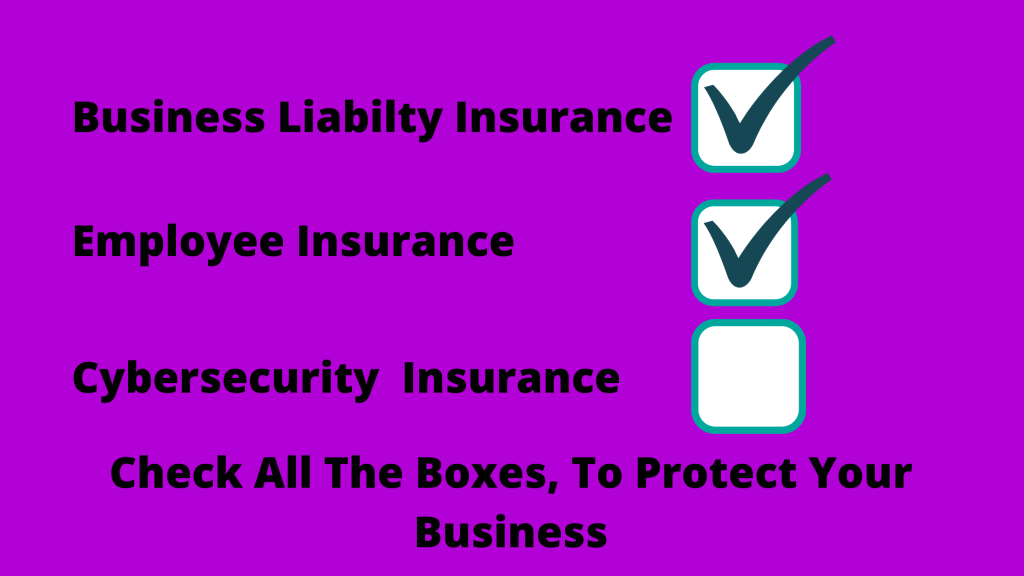
The global world is progressing by leaps and bounds and as we move further into the cyber age it is imperative for small businesses to maintain cyber hygiene and meet compliances. While all these might deter attacks they aren’t a guarantee against hacks therefore it is wiser for small businesses to partake in cybersecurity insurance to make their business more robust. We at Security Pilgrim are here to guide you in your cybersecurity needs to help your business become more safe and secure.